A practical guide to nearby accommodation, dining, transport and the details to verify before visiting.
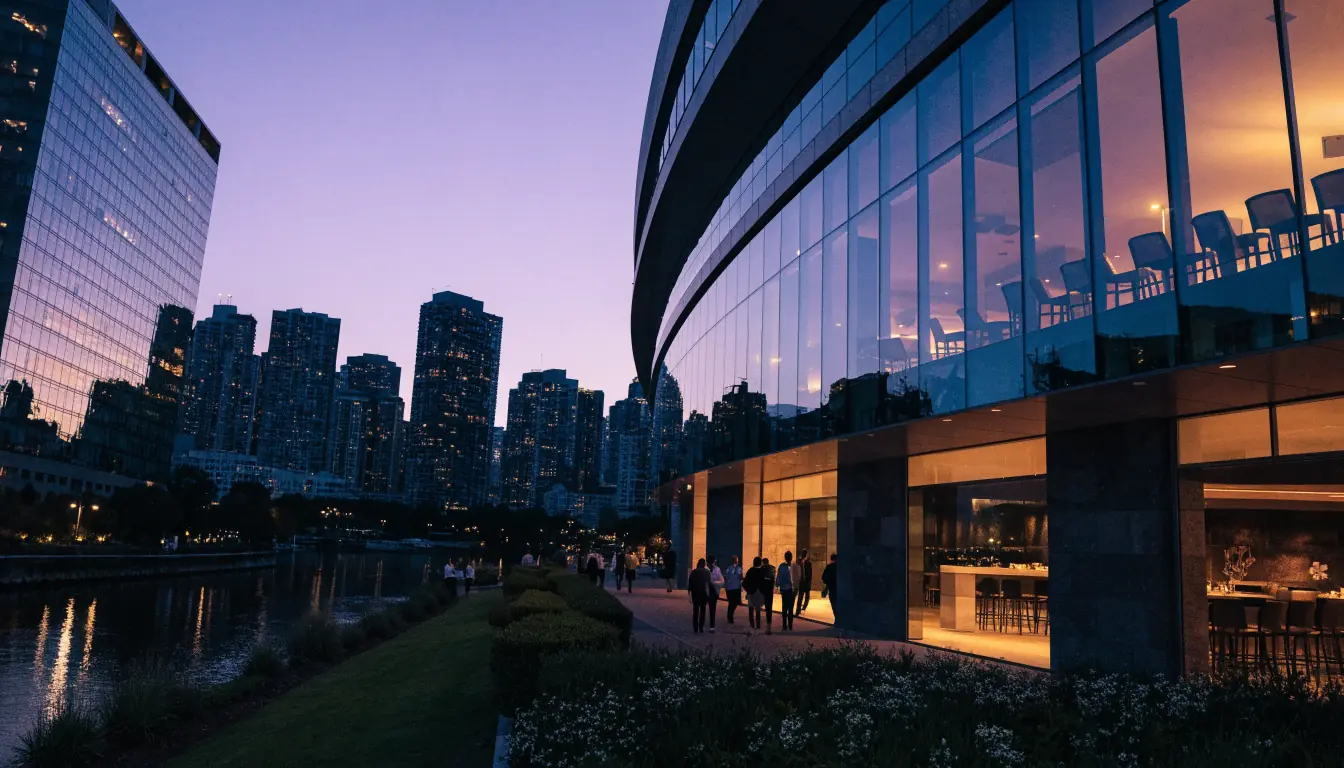
Choosing a hotel for a casino visit is not just a matter of finding the shortest route between a room and the gaming floor. You are comparing different kinds of stay: accommodation formally connected with the venue, if available, and independent hotels elsewhere in Melbourne. The right choice depends on what you value—proximity, flexibility, room features or the ability to compare a wider range of properties.
The first step is to establish what “casino hotel” means in a particular listing. It might refer to a hotel operated by the casino, a property within the same complex, or simply a nearby hotel marketed to visitors. Those arrangements are not interchangeable. A hotel’s name, photographs or promotional wording may suggest a close connection without explaining who operates it or what facilities guests can use. Check the property’s own description and booking conditions before treating it as an on-site stay.
If an accommodation option is described as on-site, look for a clear statement of the relationship between the hotel and the casino. Confirm whether the hotel is part of the same property, attached to it, or merely in the surrounding area. This distinction can affect how you plan the visit, but it should not be inferred from a map pin or a phrase such as “steps from the casino.”
If you’re looking for a casino to consider from Melbourne, check the available licensing and payment details before deciding what suits you. This list gives you a concise starting point using the information available for each operator.
Playfina Casino
Playfina Casino is listed with a Curacao eGaming licence held by Hollycorn N.V. since 2017. The minimum deposit is A$20–30, depending on the offer.
House of Pokies
House of Pokies lists PayID payouts at 1–24 hours, with a minimum deposit of A$30 or A$10 when using PayID. Its source describes the licence as international but does not name the jurisdiction.
Thor Casino
Thor Casino is listed with a Curacao licence associated with Antillephone N.V. and Versus Odds B.V. Its stated minimum deposit is EUR 20.
Golden Pokies
Golden Pokies is listed with a Curacao licence. That licensing detail is the available point to consider when reviewing the operator.
MrPacho
MrPacho lists crypto payouts at 30–120 minutes and fiat payouts at 24–72 hours. The minimum deposit is A$30.
Bizzo Casino
Bizzo Casino is listed with a Curacao Gaming Control Board licence associated with TechSolutions Group N.V. This licensing information is the available detail to use when assessing it.
GoldenCrown
GoldenCrown is listed with a Curacao Gaming Control Board licence, OGL/2023/176/0095, held by Hollycorn N.V. The licence is its stated distinguishing detail.
WinSpirit Casino
WinSpirit Casino is listed with a Curacao eGaming licence, OGL/2024/923/0383, associated with Antillephone N.V. Its stated minimum deposit is A$30.
SkyCrown
SkyCrown is listed with a Tobique Gaming Commission licence. Its stated payout estimates are around 10–15 minutes for crypto and 1–5 days for fiat, with a minimum deposit of A$30.
JustCasino
JustCasino is listed with a Curacao Gaming Control Board licence. That licensing detail is the available point to consider when reviewing the operator.
A nearby independent hotel may suit you better if you want to choose among different neighbourhoods, room types or price points. It may also have its own rules, facilities and service arrangements, entirely separate from the casino. Do not assume that booking accommodation nearby gives you access to hotel facilities at the casino, or that a casino booking includes services offered by a separate hotel. Each property sets its own terms.
For either option, check the route between the hotel and the venue using a map and the hotel’s own directions. A map can help you assess the location, but it does not establish whether a route is convenient for your circumstances, accessible at the time you plan to travel, or suitable in poor weather. If those details matter, ask the property directly rather than relying on a short description written for a booking page.
A room rate is only one part of the decision. Before booking, review what the quoted price includes and what may be charged separately. Look for taxes, service charges, deposits, cancellation conditions and any restrictions attached to the rate. If the offer is described as a deal, check its eligibility dates, booking window, minimum-stay conditions and refund rules. A discount label does not tell you whether the terms fit your plans.
Compare the same details across properties. A lower headline rate may come with less flexibility, while a higher one may include something you would otherwise pay for separately. The point is not to assume which option is better, but to identify the actual difference before you commit. Keep a record of the final price and the conditions shown at checkout, especially if they differ from the summary displayed earlier.
Room descriptions deserve the same scrutiny. Check the bed configuration, occupancy, room size if stated, smoking policy, accessibility information and whether the photographs represent the room category you are booking. A property may show several room styles while offering only one for your selected dates. If a particular feature is essential—such as step-free access, a particular bed arrangement or a quiet room—ask for confirmation in writing. A general description is not a guarantee that a specific request will be met.
Also distinguish between a request and a confirmed inclusion. A preference entered during booking may not be guaranteed. If you need a specific arrangement, contact the hotel before paying or within the stated cancellation period, and keep the response with your booking details. That gives you a clearer basis for resolving a mismatch than relying on an assumption made from a photograph or a brief listing.
Accommodation can appear on a hotel’s own website, a booking platform or a third-party travel site. Before entering payment details, confirm the name of the business responsible for the booking and who to contact if plans change. Read whether the intermediary or the hotel handles cancellations, amendments and complaints. The distinction matters most when the booking is non-refundable or when several conditions apply.
Check the dates, guest names, room category and total price on the confirmation. Make sure the currency and payment timing are clear, and note whether the displayed rate is charged immediately or at a later stage. Do not assume that a room is reserved merely because it appeared in a search result; wait for a booking confirmation and retain it.
If an offer bundles a room with another service, read the terms for each part separately. Confirm what is included, whether the components can be changed independently and what happens if one part is unavailable. Avoid placing value on an advertised extra until its availability and conditions are clear. For a straightforward comparison, record the total cost, cancellation terms, room details and the seller for each option in one place.
Think about the purpose of the stay before settling on a location. If you expect to spend much of your time at the casino, proximity may matter more to you than a broad choice of neighbourhoods. If the visit includes other activities in Melbourne, a hotel elsewhere may fit your itinerary better. Neither approach is automatically preferable; the useful comparison is between the actual location, room and terms offered for your dates.
Consider how much flexibility you need. Plans that may change call for close attention to cancellation and amendment rules. A fixed itinerary may make a less flexible rate worth considering, but only if you understand the consequences of changing it. Check the deadline and method for cancelling, and whether any refund is due under the rate you selected. Do not rely on a general policy page if the booking confirmation gives more specific conditions.
Guest reviews can help identify questions to ask, but they are not a substitute for current confirmation from the property. Look for comments that concern the room category and issue relevant to your stay, rather than treating a collection of opinions as proof of a facility or service. Features and policies can change, and a review may describe a different room or a different booking arrangement.
A careful comparison should leave you able to answer a few practical questions: Is this hotel genuinely on-site or simply nearby? What room are you booking? What is the full price and cancellation policy? Who is responsible for the reservation? Are any important requests confirmed? If those answers are not clear, pause before paying and contact the hotel or booking provider. That is more useful than relying on a label such as “casino hotel” to explain what the stay actually includes.
A poker room and a room with poker machines are not the same thing. In Australia, poker machines are commonly called pokies or Electronic Gaming Machines (EGMs). They offer games of chance; poker played at a table involves players competing against one another. A reference to pokies at a venue would not, by itself, confirm that it has live poker tables, scheduled tournaments or a dedicated poker room.
Before planning a visit around poker at a Melbourne casino, confirm directly with the venue whether live games are currently offered. Look for details about the format, tournament schedule, registration process, entry conditions and any rules that apply to participation. Check that the information is current and comes from the venue or an organiser it identifies. A third-party listing may be useful as a lead, but an old event page does not establish that a tournament is still running.
For a tournament, establish whether registration is open, when players must arrive and whether late entry or re-entry is permitted. Ask what the stated buy-in includes and whether additional charges or conditions apply. These are practical questions to settle before travelling; a listing that gives only a tournament name or date is not enough to confirm what you can enter. Do not assume that a regular schedule continues unchanged.
The same care applies to claims about a poker room’s facilities. Confirm whether a game is cash poker, a tournament, or another format, and whether the venue requires advance registration. Check any participation and identification requirements with the venue rather than relying on an informal post. If information conflicts, seek confirmation through an official contact channel before making plans.
Poker played online is a separate matter from a game at a physical venue. Under the Interactive Gambling Act 2001, operators cannot provide real-money online poker to people located in Australia. A website describing online poker does not confirm that a local casino offers a live poker room, and an overseas service is not made lawful for Australian customers simply because it is accessible.
There is also an important distinction between poker and pokies when checking age and entry rules. In New South Wales, the legal age for gambling on poker machines is 18, and venues must check identification for that activity. Those NSW facts do not establish the entry rules or poker offerings of a Melbourne venue; confirm the relevant requirements locally. If you are under the applicable legal age, do not try to participate. Venues and players should follow the rules that apply to the activity and location.
A tournament announcement can also be confused with a sports bar listing or a general casino event. Neither proves that poker is available. Treat each as a separate offering and verify the details with the venue. If the only information you can find is an undated directory entry or a post without a named organiser, consider the schedule unconfirmed rather than assuming the game will be running when you arrive.
Planning a visit to a casino in Melbourne is different from looking for an online casino. For a physical trip, parking is a practical detail to confirm directly before setting out. Do not assume that valet parking, free parking, public parking or a particular payment arrangement is available. Check the venue’s current visitor information and any relevant transport or parking notices, then allow for the possibility that arrangements may change.
If you are comparing driving with public transport, use current journey information for your own starting point and visit time. A map result or an old listing may not reflect present access arrangements. Confirm where you are expected to enter, whether parking needs to be booked and what conditions apply before relying on a particular option. These checks matter whether your plans include a meal, bingo or another on-site activity; an online listing alone does not establish what the venue currently provides.
Online casino services are not simply the digital version of visiting a casino. The Interactive Gambling Act 2001 prohibits operators from providing real-money online casino games to people located in Australia. That includes pokies and table games such as blackjack and roulette. An Australian-run online casino cannot lawfully offer those services to players in Australia.
Sports betting is a separate category and remains widely accessible and legal. That distinction does not make online casino games lawful: a betting service and a casino-style game are treated differently under the law. Be wary of sites that blur the two or present an offshore casino as an Australian-regulated option.
Offshore platforms are not regulated under Australian law, and online casino services are subject to active blocking and enforcement. A site being visible, accepting a registration or displaying a foreign licence does not mean it is authorised to provide casino games to people in Australia. Nor should an offshore licence be mistaken for local regulatory oversight. If a platform offers pokies, roulette or blackjack to Australians, that offer does not become lawful because the operator is based elsewhere.
There is also a practical difference between a physical venue and a website using a familiar casino name or imagery. Confirm that you are dealing with the official venue when checking in-person information, and do not treat a similarly named online service as its extension. Avoid entering payment or identity details into a site whose status and operator you cannot establish. The inconvenience of checking is preferable to finding out later that the service was not what it appeared to be.
For a visit, verify parking and access details through current venue information before travelling. For online play, the relevant distinction is not whether a site calls itself a Melbourne casino, but whether it is offering a prohibited online casino service to someone in Australia.
If you need to contact a Melbourne casino before a visit, use the venue’s own published contact page rather than relying on a number copied into an old directory or discussion thread. Check that the page identifies the venue you intend to visit and that its contact details are current. If you call, keep the question specific: ask whether the relevant service is available on your visit date, and whether any booking or entry conditions apply.
A general enquiry line may not handle every request. For questions about a bar, table-game availability or a concert, look for the department or booking channel responsible for that service. If the website directs you to an online form, note whether it gives a response timeframe; do not assume a message has secured a booking or ticket unless you receive confirmation.
Searches for baccarat or craps can lead to pages about games offered at other casinos, older schedules or general descriptions of table games. Before planning around either game, check the venue’s current information and confirm that it is available on the date and at the time you plan to visit. Ask whether reservations are required, whether there are entry conditions, and whether the game is operating as a cash table or in another format. A game mentioned in a general casino description is not proof that a particular table will be running when you arrive.
The same care applies to a casino bar. Confirm the bar’s name, location within the venue, service hours and any booking requirements directly with the venue. If your plans depend on a particular menu, event or seating arrangement, ask about that detail rather than treating a bar listing as confirmation that every service will be available.
Concert information should be checked against the organiser’s or venue’s event page. Confirm the date, ticketing arrangements, entry conditions and whether the event is actually held at the casino rather than at a nearby venue. If a listing is old or appears on a third-party page, verify it before travelling. A search result can remain visible long after its event date has passed.
Before calling or writing, have the visit date and the service you want to ask about ready. For accessibility, age or identification requirements, ask the venue directly what applies to your visit; do not rely on assumptions drawn from another venue’s policy. If you receive different answers from a general listing and the venue’s own channel, treat the venue’s current response as the one to clarify.
Keep written confirmation for bookings or event arrangements, and check whether it specifies a time, location or any conditions. For a map, use the venue’s own directions or map page to identify the correct entrance and destination inside the complex. A map pin alone may mark the broader property rather than the place you need.
These checks are modest but useful: they separate a current, confirmed service from a listing that merely sounds plausible. They also help you avoid arranging a visit around a bar, table game or concert that has not been confirmed for your date.
A breakfast or buffet listing can be useful when planning a visit, but the label alone does not tell you what is served, when service runs or whether access is included with a room or another purchase. Before relying on a listing for a Melbourne casino breakfast, check that it is current and comes from the venue or the business operating the relevant service. Third-party directories can retain old details after arrangements change.
For a buffet breakfast, look for practical terms rather than assuming the word “buffet” means the same thing everywhere. Check the service days, start and finish times, booking requirements, price and any conditions for children or hotel guests. Confirm whether the listing describes breakfast specifically or a different buffet service. If you have dietary requirements, ask the venue directly about suitable options and how they are handled; a general menu description may not answer that.
The same care applies to claims about a casino resort. “Resort” can describe a broad venue or package, not necessarily a particular room, meal or leisure inclusion. Confirm which business provides each part of an offer and what is included before booking or paying. If breakfast is presented as part of a stay, check whether it applies to every room rate or only to a stated package. Keep the confirmation so you can compare it with the terms shown at booking.
Casino rewards also need to be read as terms, not as a promise of value. Before joining, establish what earns points or other benefits, whether benefits expire, how they can be redeemed and whether exclusions apply. Check whether the program is limited to particular services or venues, and whether membership requires identity or other personal information. Do not assume that a rewards card automatically gives you discounts on accommodation, meals or gaming; each benefit should be stated in the program’s own conditions.
If a reward is offered in connection with gambling, read any play-through or redemption conditions before deciding whether it is worthwhile. Bonus terms can include wagering requirements, maximum cashout limits or clauses that allow winnings to be voided. Treat an advertised benefit as conditional until you have checked the rules that apply to it. Do not increase bets to recover losses, and do not chase losses: set a session budget you can afford before you play, and stop when it is spent. Gambling is not a way to cover groceries or rent.
People looking for casino jobs should use the employer’s own careers information to confirm that a vacancy is genuine. Check the employing entity, job location, duties, required experience, pay information and application process. A listing that uses a venue’s name does not, by itself, establish that the venue is the employer. Be cautious about requests for payment or sensitive information before you have confirmed who is recruiting. For any role involving gambling services, ask what training and compliance responsibilities apply. Current vacancies and employment conditions can change, so rely on a live listing and its stated closing details rather than an old directory entry.
Whether the Melbourne casino is open on a particular day is a practical question, but an old listing or an undated review is not enough to answer it. Before travelling, check the venue’s own current notices for operating status and any temporary changes. Treat third-party directory entries as a prompt to verify, not as confirmation: they can remain visible after circumstances change.
A reopening announcement also needs context. Look for a publication date, the area or service it refers to, and whether the notice describes a planned change or one that has taken effect. “The casino has reopened” may be too broad if an update concerns only part of a venue or a particular activity. If information is unclear, contact the venue using details published on its official channels before making plans.
The same care applies to events and entertainment. A past performance, promotion or event listing does not establish what is scheduled now. Check the date, start time, booking conditions and any age or entry requirements in the current listing; confirm again if your visit depends on a particular event. A general events page may include activities that are not available every day, while a calendar can change after it is published.
Claims about casino development deserve a similar check. News coverage may describe a proposal, approval process, construction work or completed project, and those are not interchangeable stages. Look for the date and the status being reported. If a development claim could affect your visit, seek a recent venue notice or relevant public planning update rather than relying on an old headline.
Employment information is another matter that can date quickly. For current vacancies, use the venue’s official careers information and read each role’s location, duties and closing details carefully. A job advertisement is evidence of a listed vacancy at the time it was published, not a guarantee that recruitment remains open. General statements about employment or future hiring should not be treated as a current offer.
For a useful review, separate what the reviewer personally observed from details that can change, such as operating status, event schedules and access arrangements. Check when the review was written and compare its practical claims with current official information. Opinions about atmosphere may help you understand someone else’s experience; they cannot confirm today’s hours or tonight’s programme.
These checks may feel less satisfying than a single definitive answer, but they avoid turning outdated information into a wasted trip. Use current notices for the day’s status and schedule, and confirm directly when the information is unclear or especially important to your plans.
A restaurant listing can tell you what a venue claims to serve; it does not, by itself, establish that the restaurant is currently operating or that its menu suits your plans. If you are considering dining at a Melbourne casino, confirm the details through the venue’s own current information before making a booking or travelling specifically for a meal.
Start with the restaurant’s identity and location. Check that the listing is for a dining venue at the casino itself, rather than a restaurant elsewhere in Melbourne with a similar name or one described only as nearby. Venue pages and third-party directories can present the same location differently, so compare the address or venue details rather than relying on a matching name alone.
Read the menu, not just the short description. A label such as “modern Australian” or “Asian-inspired” gives only a broad impression. The menu is more useful for checking the dishes actually offered, whether prices are shown, and whether dietary requirements are addressed clearly. If you need a particular option, such as a vegetarian dish or an allergen-aware choice, look for specific information. If the menu does not answer your question, contact the restaurant before you rely on an assumption.
Also check how the restaurant handles bookings. A page may link to a booking service, but make sure the reservation is for the restaurant you intend to visit and review any conditions shown before confirming. If you are planning a meal around a separate casino visit, treat the booking confirmation and the restaurant’s own details as the relevant references; a general casino listing may not contain the information needed for a dining decision.
Be cautious with old menus, copied directory entries and review comments presented without a date. They can be useful for finding leads, but they are not a reliable substitute for current venue information. A customer review may describe one visit, while a restaurant’s published menu may have since changed. Where two listings conflict, ask the venue directly rather than treating the more detailed page as automatically correct.
For restaurants near the casino rather than inside it, verify the location independently and check that the listing refers to the business you plan to visit. “Near” can describe a broad area, not a particular entrance or a short walk. That distinction matters when choosing between dining on-site and making a separate trip.
The most useful comparison is a practical one: confirmed location, a current menu, clear pricing, suitable food options and booking conditions you understand. Those details help you judge whether a restaurant fits your plans without assuming that a name, photograph or promotional description tells the whole story.
Verify the restaurant's identity, current menu, and booking conditions through the venue's official channels.
Independently verify the location and ensure the listing refers to the specific business you plan to visit.
Check for actual dishes offered, pricing, and specific dietary or allergen-aware options rather than broad labels.
If you are planning a visit, confirm the venue’s current address and entry arrangements through its official channels before you leave. A map result or older directory listing can be out of date, and a search result alone does not establish that an address or entrance is correct. Check that the location matches the venue you intend to visit, particularly if directions refer to a building, hotel or complex rather than a named casino.
The same care applies to spa searches. Do not assume that a day spa operates at the casino, or that a service you have seen mentioned elsewhere is available on the day you plan to go. Look for a current service list and booking information from the venue or the spa itself. If the details are unclear, contact the provider and ask about the specific treatment, appointment availability, access requirements and cancellation terms before making plans. A spa listing does not, by itself, confirm that casino entry includes spa access.
Dress-code information can also be narrower than it first appears. A rule may apply to a particular room, event or service rather than the entire property. Check the wording for the place you intend to enter, and clarify any uncertainty with the venue before travelling. If you are visiting for more than one purpose, make sure the guidance covers each area on your itinerary; assuming one rule applies everywhere is an easy way to arrive unprepared.
For employment enquiries, use the organisation’s own careers information and verify that a vacancy is still open before sharing personal details. Be cautious of messages that request payment or sensitive information before you can confirm who is recruiting. A job listing on a third-party site may be useful for discovery, but it is not proof that the role or application process remains current.
Bars and gaming areas are separate practical questions from spa access, address and dress expectations. Check current venue information for any facility you specifically plan to use rather than inferring what is available from a general casino listing. Before setting out, keep the essential details together: the confirmed location, any booking confirmation, the relevant entry or dress guidance, and a contact route for last-minute questions. That small check is more dependable than relying on assumptions built into a search result.
A food court and a pool are different questions from whether a venue has restaurants or serves breakfast. Do not assume either facility is part of a Melbourne casino simply because it appears in a search result, an older page or a visitor’s post. Venue layouts and services can change, and a result may describe a nearby business or accommodation rather than the casino itself.
Before planning a meal around a food court, look for a current venue page that identifies the facility as being on the casino premises. Check what food outlets are operating on the date you intend to visit, along with their individual service times. A general venue listing may not reflect the hours of every outlet. If the page is unclear, ask the venue to confirm whether the food court is open and accessible to visitors.
Treat pool information with the same care. Establish whether the pool belongs to the casino, a hotel, or another nearby property; those distinctions can affect access. Check whether entry is limited to accommodation guests or subject to other conditions, and confirm any opening times or charges directly before making plans. A pool shown in a hotel listing is not automatically available to casino visitors.
Pay attention to the date and context of any information you find. Reviews and photos can help you identify what someone encountered, but they do not establish that a facility is still operating or that access terms remain the same. If food or swimming is central to your visit, get a direct, current confirmation rather than relying on an old listing.
That small check can prevent a wasted trip. It also keeps the practical question in view: not merely whether Melbourne casino food or a pool is mentioned online, but whether the specific facility you want is open and available to you when you arrive.
Yes. The Interactive Gambling Act restricts Australian-based operators from offering online casino games such as pokies, blackjack and roulette to players in Australia.
It is technically not illegal for Australian players to use offshore online casinos, but those platforms are not regulated under Australian law. In NSW, you must be 18 to gamble on poker machines, and mandatory pre-commitment systems require players to set a loss limit before playing.
Region blocking uses your IP address to identify your location and prevent access to games or providers that exclude players from your country. Blocked games may not appear in the lobby or may fail to load.